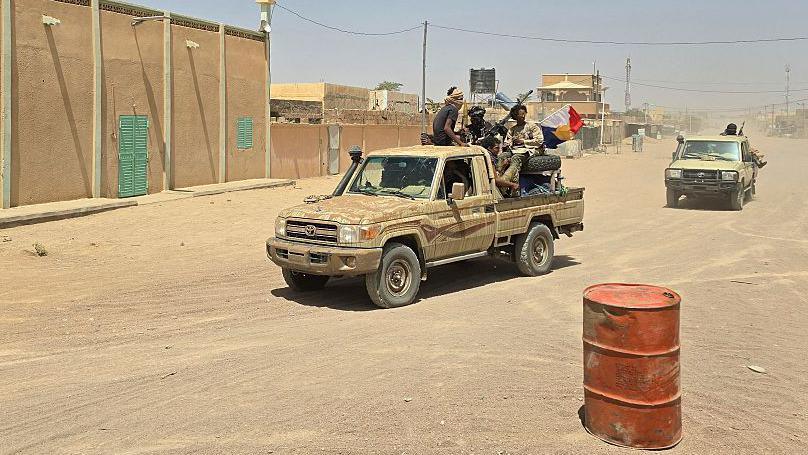
Mali’s northern front has entered a new phase. Following a surge in armed attacks across the Kidal region, Russia’s Africa Corps has confirmed its withdrawal from key positions—marking a strategic pivot in Moscow’s footprint across the Sahel. This move, long speculated but only recently acknowledged, reflects not just a tactical retreat but a recalibration of Russia’s influence in a region where instability is accelerating and alliances are fraying.
The confirmation comes amid escalating violence targeting both Malian military and foreign forces. Over the past three months, Kidal has seen a spike in IED attacks, ambushes on convoys, and drone strikes—tactics signaling a shift toward asymmetric warfare by armed groups. Russia’s exit from this volatile pocket may create a power vacuum, but it also raises urgent questions: Why now? Who benefits? And what does this mean for Mali’s fight against insurgency?
The Kidal Crucible: Why
This Withdrawal Matters
Kidal isn’t just another desert outpost. Nestled in northeastern Mali, it’s a historically rebellious region with deep Tuareg nationalist roots. Control over Kidal has changed hands multiple times since 2012, alternating between Malian forces, Tuareg separatists, jihadists, and now, foreign mercenaries. Its vast, arid terrain makes it ideal for guerrilla operations—and difficult to hold.
Russia’s Africa Corps, widely believed to be a rebranded extension of the Wagner Group, entered Mali in 2021 at the invitation of the military junta. Their mandate: stabilize the north, counter jihadist threats, and shore up the junta’s authority. Kidal became a focal point—home to intelligence outposts, supply routes, and joint operations with Malian troops.
But sustained attacks began to erode their presence. In January, a convoy near Tessalit was hit by an IED, killing several Russian operators. In February, drone footage showed a damaged reconnaissance post north of Kidal city. Insurgents—likely affiliated with Jama’at Nusrat al-Islam wal-Muslimin (JNIM) or the Islamic State in the Greater Sahara (ISGS)—have exploited the terrain and local discontent to strike with precision.
The withdrawal wasn’t a sudden collapse. It was a phased pullback, confirmed by two sources within Mali’s armed forces and cross-referenced with satellite imagery from March showing reduced activity at former Russian bases.
Russia’s Retreat: Strategic Pullback or Forced Exit?
The narrative from Moscow is clear: this is a redeployment, not a defeat. Officials claim the Africa Corps is “rotating forces” to focus on central Mali, where jihadist activity remains intense. But evidence suggests otherwise.
First, the timing. The withdrawal followed a diplomatic rift between Malian officials and Russian commanders over operational autonomy. Malian officers have privately complained about Russian reluctance to share intelligence and coordinate offensives—a friction point that weakened joint effectiveness.
Second, the pattern of attacks. Between December and March, Russian-linked units in Kidal faced 17 confirmed incidents—up from five in the same period last year. Three of these involved anti-tank guided missiles, indicating a level of sophistication previously unseen in the region.
Third, logistics. Sources indicate fuel and ammunition supplies to Kidal outposts were cut in late February. That’s not typical of a routine rotation—it’s the signature of disengagement.
This isn’t the first time Russian forces have stepped back under pressure. A similar pullback occurred in Burkina Faso last year, where attacks on foreign military presence led to a quiet redeployment. The script is repeating: enter with fanfare, operate in isolation, face mounting attacks, then withdraw with claims of strategic refocusing.

Who’s Behind the Attacks? Mapping the Threat
The surge in attacks preceding the withdrawal wasn’t random. It reflects a coordinated campaign by multiple armed factions exploiting vulnerabilities in the Russian-Malian alliance.
JNIM, an al-Qaeda affiliate, has claimed responsibility for at least five major attacks near Kidal since January. Their strategy: avoid direct confrontation, instead targeting supply lines and isolated outposts. A February ambush on a supply convoy killed four Malian soldiers and two Russians—using hit-and-run tactics from concealed dune positions.
ISGS has also intensified operations. Known for its use of drones and vehicle-borne IEDs, ISGS struck a joint base southwest of Kidal in March. Satellite imagery later revealed a cratered runway and destroyed fuel depot—indicative of a precision drone-launched munition.
Then there’s the MNLA (National Movement for the Liberation of Azawad), a Tuareg separatist group that opposes both Malian rule and foreign military presence. While not actively claiming attacks, MNLA operatives have provided reconnaissance and local intelligence to jihadist groups, according to regional intelligence reports.
The convergence of these threats created a no-win scenario for Russia’s Africa Corps. Unable to secure local support and unwilling to integrate with Malian command structures, they became isolated targets in a hostile environment.
The Human Cost: Civilians Caught in the Crossfire
While strategic debates dominate headlines, civilians in Kidal bear the brunt. Since the start of the year, over 12,000 people have been displaced from rural areas near the Algerian border—a 40% increase from 2023.
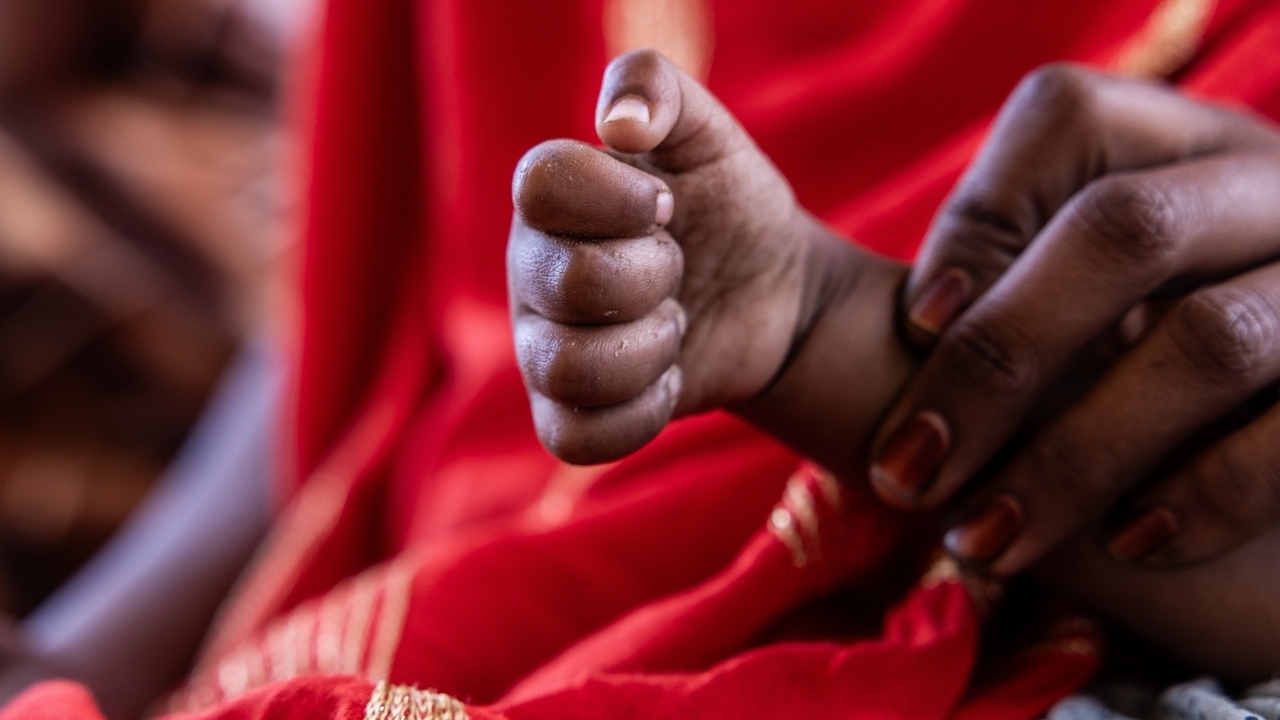
Humanitarian access is now severely restricted. The UN’s MINUSMA mission, already reduced, suspended operations in Kidal in February after its convoy was attacked. Aid workers report food shortages, lack of medical care, and rising cases of malnutrition—especially among children.
Local leaders say the Russian presence did little to improve security for communities. Instead, their heavy-handed tactics—including house raids and arbitrary detentions—deepened resentment. One elder from Tin-Zaouatene described their approach: “They came like conquerors, not protectors. When the attacks came, no one mourned their departure.”
This alienation is a critical lesson: military presence without community engagement fails in the Sahel. It fuels recruitment for armed groups and makes long-term stability impossible.
What’s Next? The Power Vacuum and Regional Fallout
With Russian forces gone, the question isn’t whether someone will move in—but who.
The Malian military claims it will assume full control of Kidal. But its track record is poor. In 2022, they lost the region to rebels within weeks of Russian support thinning. Current troop levels in the north are stretched, with units more focused on central Mali and border areas with Burkina Faso.
France, which withdrew in 2022, has ruled out a return. The U.S. maintains limited drone operations from Niger but shows no appetite for ground involvement. The UN remains sidelined.
That leaves room for Turkey and China to expand influence. Ankara has already signed defense agreements with Niger and Chad. Beijing is increasing its diplomatic outreach, offering “non-interference” security partnerships.
Meanwhile, Algeria—long wary of instability spilling over its southern border—is quietly increasing border patrols. But it’s unlikely to intervene militarily unless directly threatened.
The most immediate risk is a resurgence of separatist control. If the MNLA or a splinter faction reasserts authority in Kidal, it could trigger another round of conflict with the Malian army—potentially drawing in neighboring countries.
Russia’s Wider Strategy: Retreat in Mali, Rebuild Elsewhere? This withdrawal doesn’t signal the end of Russia’s ambitions in Africa. It’s a recalibration.
Moscow is shifting focus to the Central African Republic (CAR) and Sudan, where Wagner-linked operations have deeper roots and more stable partnerships. In CAR, Russian forces control key mining zones and train elite units loyal to President Touadéra.
In Sudan, despite the ongoing civil war, Russian operatives are embedded with the Rapid Support Forces (RSF), reportedly securing access to gold and uranium.
The message is clear: Russia will stay where it has leverage, leave where it doesn’t. Mali’s junta, once seen as a reliable partner, is proving less controllable. And with Western sanctions tightening on Russian mercenary networks, sustaining operations in hostile, remote regions like Kidal is becoming cost-prohibitive.
Lessons from the Sahel: What
This Exit Teaches
The Kidal withdrawal offers hard lessons for foreign military involvement in the region:
- Local legitimacy matters more than firepower. Without trust from communities, even elite forces become targets.
- Asymmetric threats evolve fast. IEDs and drones have leveled the playing field—superior armor means little when you can’t see the enemy.
- Mercenary models are fragile. Private forces lack diplomatic cover and long-term accountability, making them easy to disengage when pressure mounts.
- Integration is non-negotiable. Operating in silos—whether Russian, French, or Malian—fragments command and weakens response.
Countries considering military partnerships in the Sahel must now ask: Are we building capacity or dependency? Are we fighting insurgents or fueling resentment?
A New Chapter in Mali’s Conflict
The confirmation of Russia’s Africa Corps departure from Kidal isn’t just a tactical update—it’s a turning point. It underscores the limits of foreign intervention in a conflict rooted in governance, identity, and marginalization.
Attacks will likely continue. The Malian army may attempt to reassert control, but without political dialogue and inclusive security reform, any gains will be temporary.
For now, Kidal enters a new phase of uncertainty. The desert doesn’t forgive weakness. And in the Sahel, every withdrawal creates an opening—for peace, or for deeper war.
Act now: Monitor humanitarian conditions in northern Mali, support NGOs with verified access, and advocate for diplomatic engagement over military escalation.
FAQ
Why did Russia’s Africa Corps leave Kidal? They withdrew due to sustained attacks, logistical strain, and deteriorating coordination with Malian forces—indicating a strategic disengagement rather than a planned rotation.
Are Russian mercenaries completely out of Mali? No. The withdrawal is limited to Kidal. Russian forces remain active in central and southern Mali, particularly around Mopti and the capital, Bamako.
Who is attacking Russian and Malian forces in the north? Attacks are primarily carried out by jihadist groups like JNIM and ISGS, with intelligence support from local networks, including elements linked to Tuareg separatists.
Will Mali regain control of Kidal? It’s uncertain. The Malian military lacks sufficient troops and local support to hold the region long-term without renewed foreign backing.
How has the withdrawal affected civilians? Displacement has increased, humanitarian access has declined, and basic services are collapsing—especially in remote villages near the Algerian border.
Could France or the U.S. return to Mali? Unlikely. Both nations have ruled out re-engagement, citing the junta’s alignment with Russia and lack of democratic progress.
Is this a sign of Russia losing influence in Africa? Not entirely. While Mali represents a setback, Russia is strengthening its presence in CAR, Sudan, and the Horn of Africa—shifting focus to more viable partnerships.
FAQ
What should you look for in Mali Attacks: Russia’s Africa Corps Exits Kidal Amid Escalation? Focus on relevance, practical value, and how well the solution matches real user intent.
Is Mali Attacks: Russia’s Africa Corps Exits Kidal Amid Escalation suitable for beginners? That depends on the workflow, but a clear step-by-step approach usually makes it easier to start.
How do you compare options around Mali Attacks: Russia’s Africa Corps Exits Kidal Amid Escalation? Compare features, trust signals, limitations, pricing, and ease of implementation.
What mistakes should you avoid? Avoid generic choices, weak validation, and decisions based only on marketing claims.
What is the next best step? Shortlist the most relevant options, validate them quickly, and refine from real-world results.