Scott Kirby, CEO of United Airlines, has confirmed what many in the aviation industry had long speculated: he personally approached American Airlines about a potential merger. In a rare moment of transparency, Kirby admitted during a recent earnings call that he initiated discussions with American’s leadership—but was swiftly rebuffed. The revelation sends shockwaves through an already consolidated U.S. airline sector, raising questions about competition, consumer pricing, and the strategic future of major carriers.
This isn’t corporate posturing. It’s a strategic admission that the top executives at the nation’s third-largest airline by passenger volume see consolidation as a path forward—even if regulators and competitors don’t agree.
Why United’s CEO Wanted a Merger
The logic behind Kirby’s move isn't difficult to unpack. The U.S. airline industry operates on razor-thin margins, massive fixed costs, and extreme sensitivity to fuel prices and labor markets. A merger between United and American would create the largest airline in the world by fleet size and available seat miles, with unparalleled domestic reach and international connectivity.
United and American together control major hubs in Chicago, Dallas, Houston, Los Angeles, Miami, New York, San Francisco, and Washington D.C. Combining networks could streamline operations, eliminate redundant routes, and boost bargaining power with airports, suppliers, and labor unions.
But the real driver may be long-term sustainability.
Post-pandemic, airlines face rising maintenance costs, pilot shortages, and pressure to modernize fleets with fuel-efficient aircraft. A combined entity could leverage economies of scale to fund massive fleet upgrades, invest in sustainable aviation fuel (SAF), and strengthen loyalty programs—without sacrificing profitability.
Consider this: United and American collectively operate over 1,500 aircraft. Merging maintenance operations alone could save hundreds of millions annually. Shared training facilities, combined procurement contracts, and integrated IT systems could yield billions in synergies over a decade.
Still, the risks are equally massive.
Why American Airlines Said No
American Airlines’ leadership didn’t just hesitate—they shut the door completely. While American didn’t issue a detailed public response, industry insiders suggest the rejection stems from three core concerns:
- Regulatory Headwinds – The U.S. Department of Justice (DOJ) has aggressively opposed airline mergers since the 2013 American-US Airways deal. Any new merger between two of the “Big Four” (American, Delta, United, Southwest) would face intense scrutiny, likely resulting in prolonged litigation or forced divestitures.
- Cultural Misalignment – United and American have starkly different operational cultures. United has invested heavily in premium cabins, international expansion, and sustainability. American has focused on domestic network strength, cost control, and labor stability. Merging workforces could trigger internal friction, especially among flight attendants and pilot unions.
- Brand Equity Risk – Both airlines have spent years rebuilding reputations post-bankruptcies and service scandals. A forced integration could dilute brand loyalty and confuse customers who associate each carrier with distinct service levels and route strengths.
American’s CEO Robert Isom didn’t mince words when asked about the overture: “We’re focused on executing our own strategy. We believe independence gives us the best path forward.” That’s corporate-speak for “not interested”—at least for now.
How This Changes Industry Dynamics
Even though no deal is imminent, Kirby’s admission reshapes how investors, regulators, and competitors view the competitive landscape.

First, it signals that United isn’t just defending market share—it’s actively exploring transformational growth. That puts pressure on Delta and Southwest to reassess their own strategies. Delta has long avoided merger talks, but could now reconsider partnerships or joint ventures as defensive moves. Southwest, constrained by its all-Boeing fleet and point-to-point model, may accelerate expansion into new markets to avoid being squeezed.
Second, it highlights a growing divide between airline executives and antitrust enforcers. The DOJ and Federal Aviation Administration (FAA) have consistently warned against further consolidation, citing concerns over:
- Reduced competition
- Higher ticket prices
- Lower service quality
- Fewer options for rural and mid-sized cities
But carriers argue that scale is necessary to survive economic shocks, fund innovation, and meet environmental targets. Kirby made this point explicitly: “If we don’t consolidate, how do we afford the next generation of aircraft? How do we transition to sustainable fuel at scale?”
It’s a fair question—one that regulators may not have a good answer for.
What This Means for Travelers
Passengers are caught in the middle. A successful merger could bring benefits: more seamless connections, unified loyalty programs, and broader route networks. Imagine booking a single ticket from Cleveland to Mumbai with coordinated schedules, shared lounges, and pooled frequent flyer miles.
But history suggests the drawbacks often outweigh the perks.
After the American-US Airways merger, customer satisfaction initially plummeted. Operational hiccups, reservation system failures, and inconsistent service plagued the combined airline for years. Baggage delays increased. Call center wait times stretched. And despite promises of “no fare hikes,” many routes saw price increases due to reduced competition.
A United-American merger would likely deliver similar short-term pain:
- System integration chaos (think United’s 2010 merger with Continental)
- Flight cancellations during transition
- Delays in customer service response
- Temporary suspension of elite benefits
Long-term, travelers in major hubs might gain better international options. But passengers in secondary markets could lose service as the combined airline cuts overlapping routes. For example, both airlines serve Knoxville, Nashville, and Richmond. One carrier would likely reduce or eliminate service—limiting consumer choice.
Additionally, with only three major network carriers left (the merged entity, Delta, and Alaska following its Virgin America and Hawaiian deals), pricing power would tilt heavily toward airlines. Fare wars would become rarer. Basic economy restrictions could tighten further. And ancillary fees—baggage, seat selection, boarding priority—would likely increase.
Could the Regulators Ever Approve a Merger?
The short answer: not under current antitrust enforcement.
The DOJ blocked JetBlue’s proposed merger with Spirit Airlines in 2023, arguing it would reduce competition and raise fares. That precedent makes a United-American deal nearly impossible without dramatic concessions.
For approval, United and American would likely have to:
- Divest hubs (e.g., give up slots at LaGuardia or Reagan National)
- Spin off a low-cost subsidiary to maintain competition
- Guarantee price caps on overlapping routes
- Offer transition support for affected employees and communities
Even then, litigation would drag on for years. The American-US Airways merger took 14 months to clear. A larger deal would face even steeper hurdles.
Some analysts suggest a different path: a deep joint venture instead of a full merger. United already has successful transatlantic and transpacific joint ventures with carriers like Lufthansa and Air Canada. A similar framework with American could allow revenue sharing, coordinated schedules, and loyalty integration—without triggering antitrust red flags.
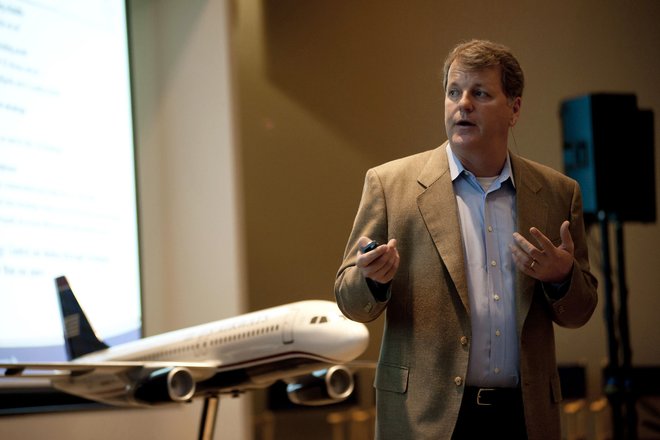
But Kirby’s move suggests he’s not interested in half-measures. He wants full integration. And that ambition puts him on a collision course with Washington.
What’s Next for United and American?
United isn’t backing down. Despite the rebuff, the company continues to invest in long-term growth:
- Expanding international routes to India, Africa, and Southeast Asia
- Upgrading aircraft interiors with premium seating
- Launching a $5 billion sustainability initiative
- Modernizing its digital platform for booking and customer service
American, meanwhile, is focusing on operational reliability. After years of service challenges, the airline is overhauling crew scheduling, improving maintenance turnaround, and retraining frontline staff. Its new “Customer Commitment” initiative promises faster refunds, better communication during disruptions, and simplified policies.
Both carriers are also navigating complex labor negotiations. Pilots, flight attendants, and mechanics at both airlines are seeking better pay and work rules as contracts come due. A merger could have simplified these talks—but now, each airline must negotiate independently, increasing financial pressure.
Looking ahead, don’t expect another formal merger proposal soon. But don’t rule out quiet collaboration, either. In an industry where survival often depends on alliances, even rivals find ways to cooperate.
The Bottom Line: Merger Talk Was a Message
Kirby’s confirmation wasn’t just about a failed deal. It was a strategic signal—to investors, competitors, and regulators—that United is willing to think boldly about the future.
By going public, Kirby achieved several goals:
- Positioned United as an industry leader, not a follower
- Pressured American to defend its standalone strategy
- Highlighted the financial and operational challenges all carriers face
- Set the stage for alternative growth tactics, including smaller acquisitions or deeper alliances
For travelers, employees, and investors, the takeaway is clear: the status quo in commercial aviation is fragile. Economic pressures, environmental mandates, and technological change are forcing airlines to reconsider their scale and structure.
A United-American merger may not happen. But the conversation it sparked is now unavoidable.
The next move isn’t just up to CEOs. It’s up to regulators, consumers, and the market itself.
Frequently Asked Questions
Did United and American Airlines officially start merger negotiations? No. United CEO Scott Kirby confirmed he approached American about a merger, but American declined to engage in formal talks.
Would a United-American merger create the largest airline in the world? Yes. Combined, the two carriers would surpass Delta and American (previously the largest) in fleet size, passenger volume, and global network reach.
Could the U.S. government approve such a merger? It’s highly unlikely under current antitrust enforcement. The DOJ has consistently opposed major airline consolidations, citing competition concerns.
How would a merger affect United and American frequent flyers? Initially, it could cause program integration issues. Long-term, it might create a more powerful loyalty program with broader redemption options—but also fewer competitive promotions.
Would ticket prices go up if United and American merged? Possibly. With only two major network carriers remaining (the merged entity and Delta), reduced competition could lead to higher fares, especially on overlapping routes.
What are the biggest operational challenges in merging two large airlines? Integration of reservation systems, crew scheduling, maintenance operations, and brand alignment are major hurdles. Past mergers have taken 5–10 years to fully stabilize.
Is another merger attempt likely in the future? Not immediately. But as industry pressures grow, consolidation talk will persist. A joint venture or alliance may be a more realistic near-term option.
FAQ
What should you look for in United Airlines CEO Confirms Merger Talks with American? Focus on relevance, practical value, and how well the solution matches real user intent.
Is United Airlines CEO Confirms Merger Talks with American suitable for beginners? That depends on the workflow, but a clear step-by-step approach usually makes it easier to start.
How do you compare options around United Airlines CEO Confirms Merger Talks with American? Compare features, trust signals, limitations, pricing, and ease of implementation.
What mistakes should you avoid? Avoid generic choices, weak validation, and decisions based only on marketing claims.
What is the next best step? Shortlist the most relevant options, validate them quickly, and refine from real-world results.