Fame doesn’t shield celebrities from cruelty—it amplifies it. Behind the red carpets and flashing cameras, A-list stars are routinely targeted by relentless online trolling that fixates on their appearance. From body-shaming to grotesque morphed images, the abuse isn’t just painful—it’s pervasive, often crossing into psychological warfare. What surfaces isn’t just gossip or casual criticism, but a systemic pattern of digital harassment that celebrities say has haunted their mental health, self-worth, and careers.
This isn’t tabloid fodder. It’s a growing crisis in today’s fame economy, where visibility equals vulnerability. More stars are speaking up—not for sympathy, but to dismantle the illusion that image-based bullying stops at schoolyard taunts. In Hollywood, it’s institutionalized, amplified by algorithms, and often ignored by platforms that profit from outrage.
The Ugly Side of Viral Fame: When Trolling Turns Toxic
Celebrities today aren’t just performers—they’re content. Their faces, bodies, and fashion choices are dissected in real time across TikTok, X (formerly Twitter), Reddit, and Instagram. While some commentary stays in the realm of critique, much of it spirals into cruelty masked as “humor” or “honest takes.”
Take Chris Hemsworth. Once hailed as the epitome of rugged masculinity, he’s now a target for memes mocking his aging appearance. “People say I look gaunt, that I’ve lost my ‘Thor’ physique,” Hemsworth admitted in a candid interview. “But behind those jokes are real insecurities that creep in after reading the same thing every day.”
The damage isn’t limited to men. Scarlett Johansson has been body-shamed for weight fluctuations, with viral posts dissecting her thighs, arms, and facial features. Zendaya, despite relentless praise for her talent and grace, is bombarded with cruel edits and photoshopped images comparing her to white actresses. These aren’t isolated incidents—they’re part of a broader pattern where appearance becomes ammunition.
Why Appearance-Based Trolling Is So Damaging
Unlike criticism of performance or politics, attacks on physical traits strike at identity. They target something immutable—or seemingly so—amplifying feelings of shame and helplessness. For actors, whose careers often depend on appearance, the line between professional scrutiny and personal attack blurs.
Psychologists call this “lookism”—a bias rooted in physical appearance that influences social judgment. In Hollywood, it’s a double-edged sword: casting decisions are influenced by looks, yet stars are punished for not conforming to shifting beauty standards.
Stars Speak Out: Real Stories of Relentless Online Abuse
More celebrities are breaking silence, not to dramatize, but to expose the emotional toll of living under constant surveillance and ridicule.
Jennifer Lawrence: “I Was Fat-Shamed From 22”
Lawrence has been vocal about the impact of body-shaming, especially during the peak of her Hunger Games fame. “I remember seeing headlines like ‘Jennifer Lawrence Gains Weight’ next to paparazzi photos where I was just sitting,” she said. “It wasn’t glamorous. It was humiliating.”
She described how the scrutiny affected her eating habits and self-perception. “You start questioning everything. Are my clothes too tight? Should I eat less? It’s insidious.”
Simu Liu: Racialized Trolling and the “Ugly” Label

After Shang-Chi broke records, Simu Liu became a target of racially charged trolling. Memes called him “the ugliest Marvel hero,” mocked his facial features, and compared him unfavorably to white counterparts. “It wasn’t just about looks,” Liu said. “It was about who gets to be a hero in America.”
He pointed out the underlying racism in the trolling: “When you say I’m ‘ugly,’ you’re really saying Asian men don’t fit the mold of leading men. That’s the message.”
Lizzo: Fighting Back Against the Haters
Lizzo has turned body positivity into a movement—but not without backlash. Every red carpet appearance brings a new wave of hate. “People say I’m ‘too big’ for the dress, that I’m ‘flaunting’ my body,” she said. “But I’m just existing. Why is that a crime?”
She’s taken legal action against trolls who spread deepfakes and manipulated images of her. “They don’t see me as human. They see a caricature. And that dehumanization is dangerous.”
The Role of Social Media Platforms: Profit Over Protection
Despite public promises to combat online abuse, platforms like Instagram and X remain breeding grounds for appearance-based harassment. Algorithms favor engagement, and nothing drives clicks like scandalous comparisons, “body check” threads, and viral shaming sprees.
Celebrities report that reporting abusive content is often useless. “I’ve flagged hundreds of posts—morphed images, doxxing, threats,” said one actress who requested anonymity. “Less than 10% get taken down.”
The system is rigged. Influencers and meme pages profit from dissecting celebrity bodies, often under the guise of “satire.” Meanwhile, victims are told to “toughen up” or “get offline.”
The Celebrity Catch-22: Visibility vs. Safety
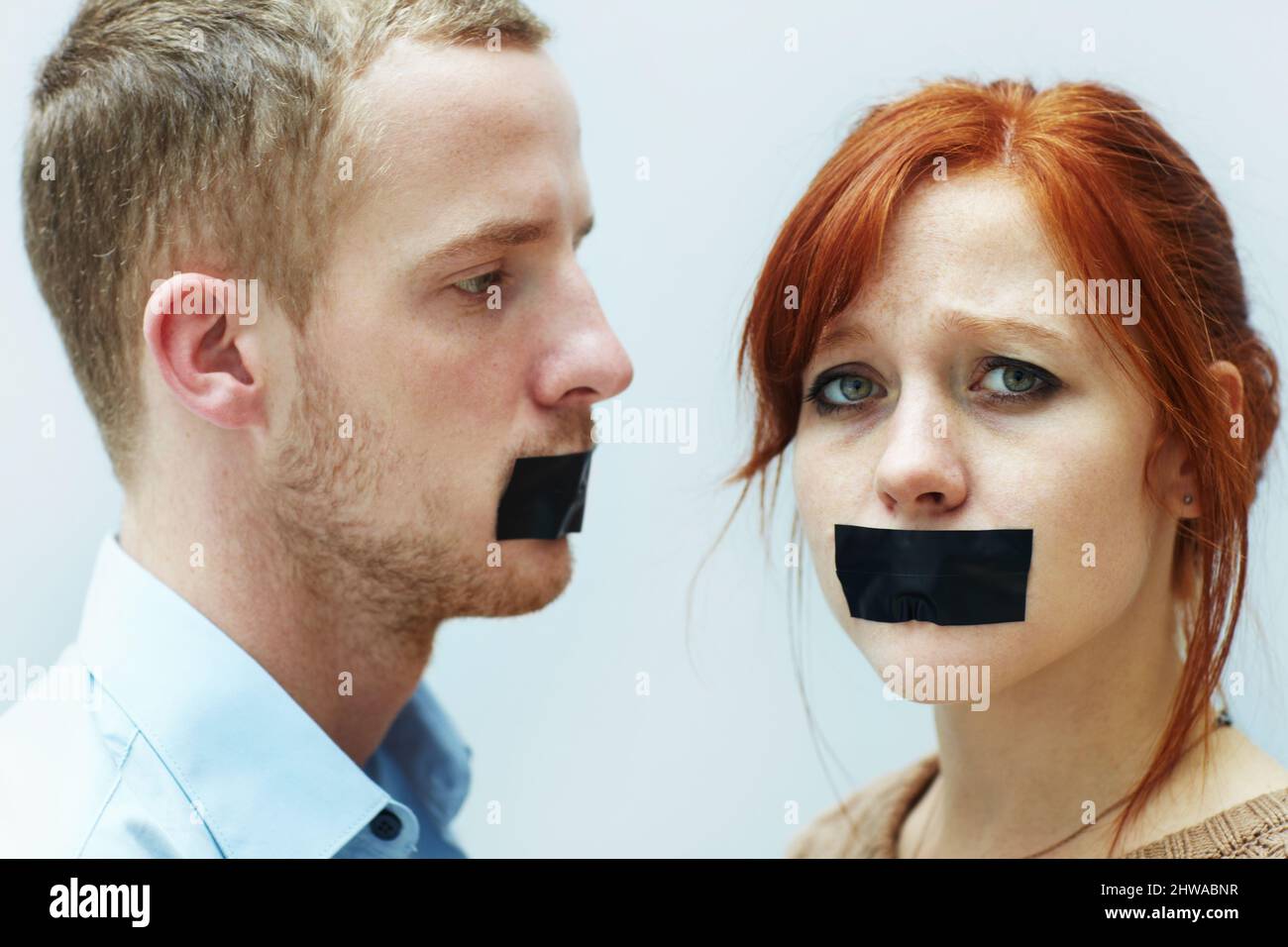
Stars face an impossible choice: stay silent and endure abuse, or speak out and risk more attention from trolls. Many choose silence, fearing that calling out abuse will only fuel more memes and ridicule.
Others, like Jameela Jamil, have weaponized their platform. Through her I Weigh movement, she’s called out toxic beauty standards and the celebrities who profit from diet culture. “We’re all complicit until we change the conversation,” she said.
Behind the Glamour: The Mental Health Toll
The emotional impact of relentless trolling is profound. Anxiety, depression, and disordered eating are common among stars who face daily appearance-based attacks.
A 2023 study by the Mental Health Foundation found that 68% of celebrities surveyed experienced severe anxiety linked to online harassment. Over half admitted to seeking therapy or medication to cope.
The Myth of the “Thick Skin”
Hollywood loves to mythologize resilience. “She’s strong,” “He doesn’t care what people say.” But this narrative erases real pain.
Actress Florence Pugh opened up about how body-shaming during The Little Mermaid casting rumors affected her. “People said I wasn’t ‘dainty’ enough, that I looked ‘like a man.’ That stuff doesn’t just roll off your back,” she said. “You start seeing yourself through their eyes.”
The expectation that celebrities should “ignore” hate is fundamentally flawed. Ignoring abuse doesn’t make it disappear—it normalizes it.
Who’s Really to Blame? Culture, Algorithms, and Complicity

While individual trolls pull the trigger, the real culprits are deeper: a culture obsessed with perfection, algorithms that reward outrage, and a media ecosystem that profits from celebrity suffering.
The Paparazzi Problem
Paparazzi still play a major role in starting appearance-based narratives. A single unflattering photo—taken mid-bite, stepping out of a car, or in workout clothes—can spiral into global headlines.
“‘Jennifer Aniston’s Beach Body Flaws Exposed’—that was a real headline,” said a former tabloid editor. “We knew it was exploitative, but it drove millions of clicks.”
These stories set the tone for online discourse, giving trolls permission to pile on.
The Fan Army Paradox
Some celebrities have devoted fan armies that defend them fiercely—sometimes too fiercely. While protection is welcome, it often devolves into cyberbullying of other stars.
The so-called “stan wars” see fans of one actress trash another’s appearance to elevate their idol. “She’s not even that pretty,” “Look at her nose,” “She’s aged badly”—these aren’t organic opinions. They’re coordinated attacks disguised as fandom.
This toxic loyalty distorts discourse and makes it harder for stars to address abuse without igniting fan feuds.
What Can Be Done? Protecting Stars and Shifting Culture
Change won’t come overnight, but momentum is building.
Platform Accountability
Celebrities are demanding better moderation tools, faster response times, and transparency in content removal. Some, like Taylor Swift, have hired digital teams to monitor and report abuse at scale.
But systemic change requires platforms to deprioritize engagement at all costs. That means downranking harmful content and penalizing accounts that repeatedly violate policies.
Legal Recourse
More stars are turning to lawsuits. In 2023, a UK court awarded damages to a celebrity targeted by deepfake pornography—a precedent that could extend to other forms of digital abuse.
However, jurisdictional issues and anonymity make enforcement difficult. Until laws catch up with technology, many victims will remain unprotected.
Cultural Shift: Redefining Beauty in Hollywood
The most powerful change may come from within. More diverse casting, body-inclusive fashion campaigns, and unretouched media are chipping away at narrow beauty ideals.
Actors like Bill Skarsgård and Hunter Schafer are using their visibility to challenge norms. “My face isn’t ‘perfect,’” Schafer said. “But it’s mine. And that should be enough.”
The Path Forward: Empathy Over Exploitation
The stories of Hollywood’s bullied stars aren’t about victimhood—they’re about resilience in the face of systemic cruelty. They reveal a disturbing truth: in the age of viral content, a person’s worth is still too often measured by their appearance.
But there’s power in speaking out. Every celebrity who shares their pain chips away at the normalization of trolling. And every fan who chooses empathy over mockery helps shift the culture.
If you’re online, you’re part of this ecosystem. Before you share that meme or comment on someone’s body, ask: Is this kind? Is it necessary? Could this hurt someone?
The red carpet may glitter, but the human cost behind it is real. It’s time we stop treating celebrities as objects and start seeing them as people.
Actionable Insight: Follow body-positive creators, report abusive content, and challenge appearance-based jokes in your circles. Change starts with individual choices.
FAQ
What should you look for in Hollywood Trolling Horror: A-Listers Reveal Relentless Bullying Over Loo? Focus on relevance, practical value, and how well the solution matches real user intent.
Is Hollywood Trolling Horror: A-Listers Reveal Relentless Bullying Over Loo suitable for beginners? That depends on the workflow, but a clear step-by-step approach usually makes it easier to start.
How do you compare options around Hollywood Trolling Horror: A-Listers Reveal Relentless Bullying Over Loo? Compare features, trust signals, limitations, pricing, and ease of implementation.
What mistakes should you avoid? Avoid generic choices, weak validation, and decisions based only on marketing claims.
What is the next best step? Shortlist the most relevant options, validate them quickly, and refine from real-world results.