In 1971, Guddi arrived as a breath of fresh air in Hindi cinema—innocent, introspective, and quietly revolutionary. The film, directed by Hrishikesh Mukherjee, told the story of a die-hard fan of Bollywood heroines whose obsession with the silver screen is gently unraveled by reality. But long before Jaya Bachchan charmed audiences as the wide-eyed Kusum (nicknamed Guddi), another name was at the top of the casting list: Amitabh Bachchan’s frequent co-star and then-superstar—Dharmendra.
Yes, the actor first signed to play Guddi was not an actress at all.
That’s right—before the role became a defining debut for Jaya Bachchan, the initial idea was radically different. The original script envisioned the character of Guddi as a young man, a male fan obsessed with the illusion of stardom, making the film a satirical take on hero worship in a masculine context. And the man the filmmakers wanted to anchor that concept? Dharmendra.
The Unlikely Male Guddi: A Concept Ahead of Its Time
Hrishikesh Mukherjee, known for his socially aware yet subtly layered storytelling, was no stranger to subversion. In Anand (1971), he turned terminal illness into a celebration of life. In Guddi, he wanted to dissect the worship of cinematic myth—especially by young men raised on the image of the invincible hero.
The earliest drafts of the script centered on a small-town boy idolizing a larger-than-life film star—modeled loosely on Dharmendra himself. The irony wasn’t lost on Mukherjee: casting the idol to play the obsessed fan. It would have been a meta-commentary on fame, masculinity, and the illusion of perfection.
Dharmendra, already a leading man with films like Satyakam and Sholay on the horizon (though not released yet), was approached with this radical reinterpretation. He was intrigued. At the time, he was open to experimental roles, having worked with directors like Basu Bhattacharya and B.R. Chopra on emotionally complex characters.
But there was a problem.
Why the Male Guddi Was Abandoned
Despite Dharmendra’s interest, the production team at Nasir Hussain Films—producers of Guddi—pushed back. They saw the story as too niche. A male protagonist questioning hero worship was deemed “too cerebral” for mainstream 1970s audiences. Moreover, the box office appeal of a young female lead—a fresh face, someone viewers could project innocence onto—was undeniable.
Enter Jaya Bachchan.
Fresh from her National Award win for Nayi Aurat, Jaya was emerging as a powerful new talent. Mukherjee saw in her not just talent but an authenticity that matched the role. He also realized that shifting the perspective to a female fan would add layers: not just celebrity obsession, but a young woman navigating identity, independence, and societal expectations.
The revised script transformed Guddi into Kusum, a spirited college girl whose infatuation with Dharmendra’s on-screen persona blinds her to the real world. The man she idealizes? Played by Dharmendra—this time, as himself.
Ironically, Dharmendra went from being cast as Guddi to playing the object of Guddi’s affection.
Dharmendra’s Real-Life Role in Jaya’s Casting
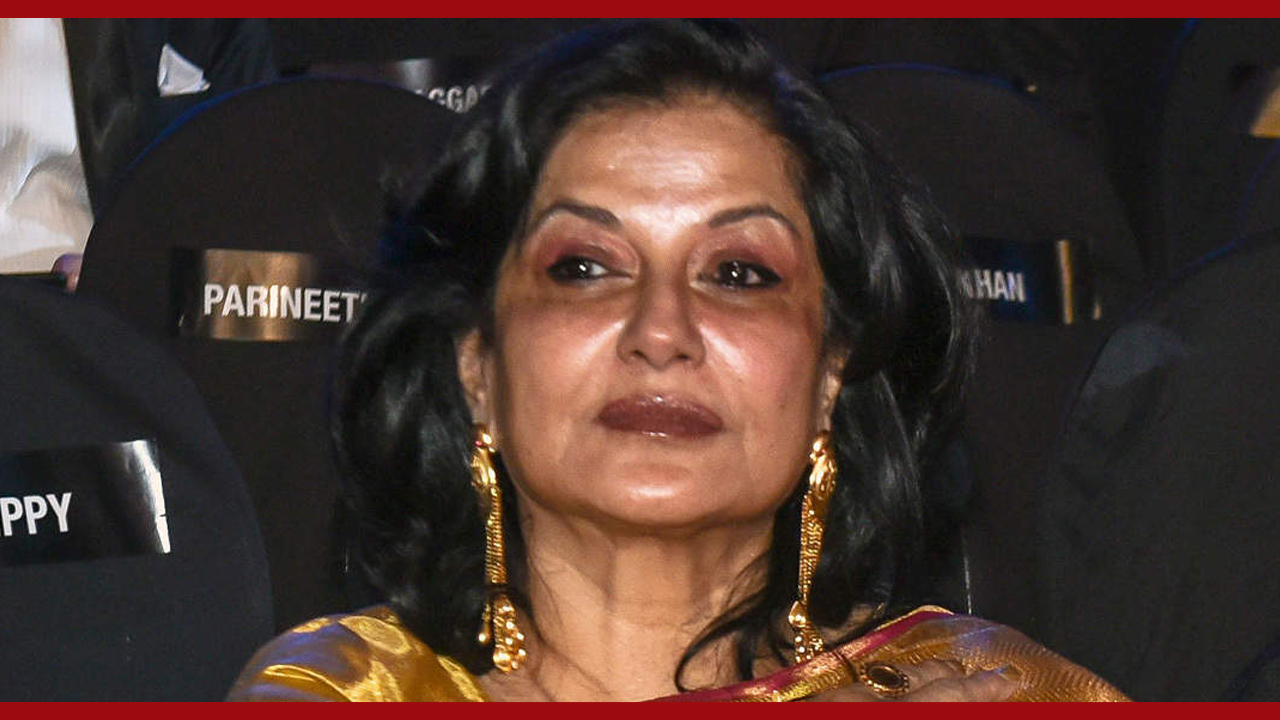
Far from being bitter about the recasting, Dharmendra played a pivotal role in making sure Jaya got the part. He had worked with her in Guddi’s immediate predecessor, Garam Hawa (though her role was ultimately cut), and was impressed by her intensity and grounded presence.
He reportedly told Mukherjee, “If you want truth on screen, cast Jaya. She doesn’t act—she is.”
That endorsement carried weight. Jaya was signed, and the role became a turning point in her career. Her performance—naïve yet sharp, emotional but never melodramatic—earned widespread praise. The scene where she watches herself in a mirror, realizing she’s not the heroine she thought she wanted to be, remains iconic.
Behind the Scenes: How the Shift Changed Bollywood
The decision to switch from a male to female lead in Guddi had ripple effects beyond casting. It marked a shift in how female characters were written—not just as romantic interests or moral symbols, but as complex individuals with inner lives and contradictions.
Before Guddi, few Hindi films centered on a young woman’s psychological journey. After it, a new wave emerged: Kora Kagaz, Aradhana, and later Tapasya followed similar paths, focusing on female subjectivity.
But what if Dharmendra had played the original male Guddi?
We can only speculate. A male-led version might have leaned more into satire, perhaps resembling Kaagaz Ke Phool’s melancholy or Ajooba’s meta-commentary. It might have questioned the masculinity of the hero image—something Bollywood still rarely does.
But it wouldn’t have had the same cultural resonance. The female Guddi became a symbol of awakening. She wasn’t rejecting fame—she was reclaiming her sense of self.
Common Misconceptions About the Casting of Guddi
Despite the clarity of historical records, myths persist.
One widespread myth is that Hema Malini was first offered the role. She wasn’t. By 1971, she was already established as a leading lady with Johnny Mera Naam and Lal Patthar, and the producers wanted a relative unknown to play Guddi. Hema also bore a physical resemblance to the character, which made audiences assume she was the original choice.
Another myth: that Jaya Bachchan was a last-minute replacement. In reality, once the decision to change the protagonist’s gender was made, she was the first and only serious contender. The shoot was delayed by three weeks to accommodate her schedule—a sign of how badly the team wanted her.
And no, Jeetendra or Rishi Kapoor were never considered. The early male version was always envisioned for a top-tier star, not a newcomer.
Why This Casting Story Still Matters
The evolution of Guddi’s casting isn’t just trivia—it’s a case study in how a single creative decision can redefine a film’s legacy.
It shows how flexibility in storytelling opens doors to deeper themes. It reveals how collaboration between directors, actors, and producers can pivot a project toward something more powerful than originally intended.
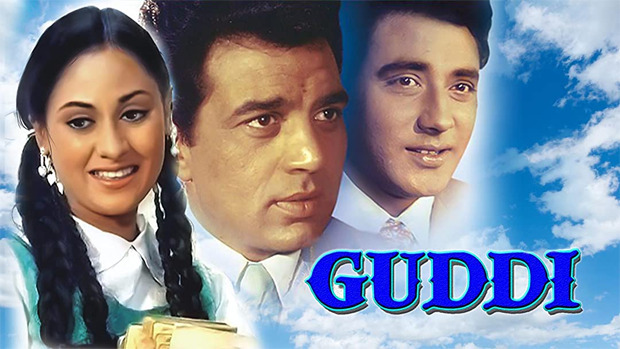
Most importantly, it highlights how Jaya Bachchan’s casting wasn’t just a backup plan—it was an upgrade. Her performance grounded the film in emotional honesty, elevating it from satire to soulful coming-of-age drama.
Today, Guddi is remembered not just for its music or its meta-commentary on cinema, but for Jaya’s luminous presence. The fact that the role was nearly given to a male star—Dharmendra, no less—adds a fascinating “what if” to Indian cinema history.
Lessons for Modern Filmmakers
The Guddi casting shift offers practical insights:
- Be open to radical changes: The original concept wasn’t working commercially. The team pivoted—and created a classic.
- Casting is chemistry, not just star power: Dharmendra’s support for Jaya wasn’t egoless altruism—it was recognition of the right fit.
- Gender perspective transforms narrative: Swapping the protagonist’s gender didn’t just change the casting—it changed the film’s entire emotional core.
Imagine a modern remake of Guddi centered on a teenage boy obsessed with a TikTok influencer. It could work. But it would carry a completely different message—one about masculinity, validation, and digital identity. The original’s power lies in its specificity: a young woman stepping out of the shadow of fantasy into self-awareness.
Final Word So, who was first signed to play Guddi?
The answer is Dharmendra—not as a supporting character, but as the lead. The film’s journey from a male-centric satire to a female-driven drama is one of Bollywood’s most under-discussed creative evolutions.
It wasn’t just a casting change. It was a complete reimagining—one that gave us not just a classic film, but a new archetype in Indian cinema: the girl who looks beyond the screen and finds herself.
If you're exploring the hidden layers of Bollywood history, Guddi’s casting story is essential viewing. Watch the film with this backstory in mind. Notice how Dharmendra, as himself, smiles knowingly at Kusum—as if aware of the role he almost played.
Actionable takeaway: The next time you hear a film “wasn’t working,” remember Guddi. Sometimes, the biggest risk—a total overhaul—leads to the most enduring art.
FAQ
What was the original concept for Guddi? The original idea was a male protagonist obsessed with film stardom, with Dharmendra cast as the lead.
Why was the male version of Guddi scrapped? Producers felt a female lead would be more relatable and commercially viable in 1970s India.
Who suggested Jaya Bachchan for Guddi? Dharmendra recommended her after working with her, praising her natural acting ability.
Did Dharmendra regret not playing Guddi? No evidence suggests regret; he supported the new direction and played a key role in Jaya’s casting.
Was Hema Malini ever considered for Guddi? No, that’s a common myth. The producers wanted an unknown, and Hema was already a star.
How did Guddi influence Bollywood? It helped launch the trend of female-led, psychologically rich dramas in the 1970s.
Is the story of Dharmendra being cast as Guddi verified? Yes, confirmed through interviews with Hrishikesh Mukherjee’s associates and film historians.
FAQ
What should you look for in Who Was Originally Cast to Play Guddi Before the Final Choice?? Focus on relevance, practical value, and how well the solution matches real user intent.
Is Who Was Originally Cast to Play Guddi
Before the Final Choice? suitable for beginners? That depends on the workflow, but a clear step-by-step approach usually makes it easier to start.
How do you compare options around Who Was Originally Cast to Play Guddi Before the Final Choice?? Compare features, trust signals, limitations, pricing, and ease of implementation.
What mistakes should you avoid? Avoid generic choices, weak validation, and decisions based only on marketing claims.
What is the next best step? Shortlist the most relevant options, validate them quickly, and refine from real-world results.